
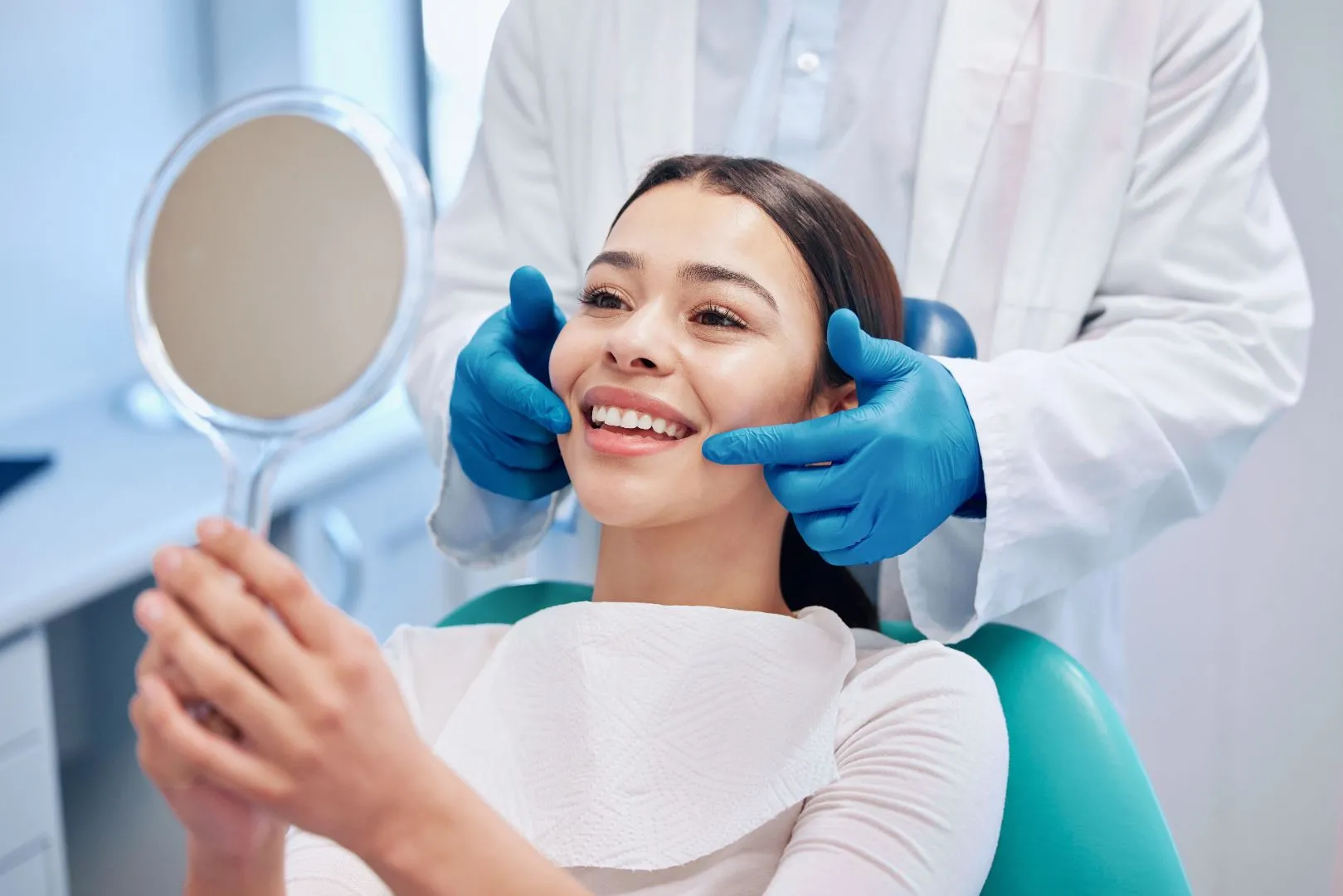
Understanding Teen Orthodontic Treatment: Braces and Clear Aligners Explained
Most teenagers should get braces or clear aligners between ages 11 and 15, after permanent teeth have come in but while the jaw is still growing and responsive to treatment. This window gives orthodontic specialists the best biological advantage for efficient, predictable tooth movement.
Deciding when your teenager should start personalized, high-quality care is one of those parenting questions that doesn't come with a simple answer. Every teen's smile is different, and the right timing depends on their dental development, the specific issues that need correction, and which option fits their lifestyle best. Families at Josh Johnson Ortho work through these decisions every day with the guidance of Dr. Josh Johnson, an orthodontic specialist who has been creating beautiful smiles since 2006.
The American Association of Orthodontists recommends an initial evaluation by age 7, not necessarily to start treatment, but to identify potential concerns early and plan ahead.
Both braces and clear aligners correct the same fundamental problems: misaligned teeth, bite issues, gaps, and crowding. Braces use metal or ceramic brackets bonded to teeth, connected by archwires that guide teeth into position. Clear aligners take a different approach, using a series of custom-made removable trays that gradually shift teeth over time.
Understanding how each works helps you and your teen make a confident choice. While many people search for "Invisalign," our practice uses Angel Aligners, a clear aligner system that delivers excellent dream smile results for teens.
How Do Braces and Clear Aligners Work for Teenagers?
Both braces and clear aligners move teeth by applying steady, controlled pressure over time. Braces do this with fixed brackets and wires that your orthodontic specialist adjusts at regular visits, while clear aligners use a series of removable custom trays that your teen swaps out every one to two weeks. Here's how each option works in more detail.
Braces have been the go-to choice in orthodontics for decades, and for good reason. Brackets are bonded directly to each tooth, then connected by a thin metal archwire. During regular visits every 4 to 8 weeks, Dr. Johnson adjusts the wire tension to keep teeth moving in the right direction. The system works around the clock since braces stay in place throughout the smile process.
Clear aligners work differently but achieve similar dream smile results. Your teen receives a series of custom trays, each slightly different from the last. They wear each set for one to two weeks before switching to the next in the sequence, and the trays apply gentle, consistent pressure that gradually shifts teeth into proper alignment.
Teen-specific aligner systems include some smart features parents appreciate. Compliance indicators, small dots on the aligners, fade with wear, making it easy to see if your teen is actually wearing them. Many systems also include replacement aligners for lost or damaged trays, which happens more often than you might expect with busy teenagers.
Treatment duration varies based on complexity. Straightforward cases might wrap up in 12 months, while more involved corrections can take up to 24 months. Dr. Johnson will give you a realistic timeline after evaluating your teen's specific situation.
Benefits of Starting Orthodontic Care During the Teen Years
Starting personalized, high-quality care during the teen years offers distinct advantages. Key benefits include:
- Faster tooth movement thanks to active jaw growth
- Easier long-term maintenance with properly aligned teeth
- Prevention of more complex problems down the road
- A confidence boost during formative social years
Here's why so many families choose this window for their teen's smile transformation.
The Jaw Growth Advantage
Teen jaws are still developing, which means teeth respond more readily to orthodontic forces. This can mean more efficient treatment and potentially shorter overall time in braces or aligners.
That built-in biological advantage is something adults simply don't have.
Preventing Bigger Problems Down the Road
Addressing bite problems now prevents them from worsening. Left untreated, some issues can lead to jaw discomfort, uneven tooth wear, or even the need for jaw surgery later in life. Catching problems during the teen years often means simpler, less invasive solutions. Put another way: what's minor at 14 can become complex by 24.
Straight Teeth and Long-Term Oral Health
Straight teeth aren't just about appearance. Properly aligned teeth are much easier to brush and floss effectively, which reduces your teen's risk of cavities, gum disease, and other dental problems well into adulthood.
The Confidence Factor
Let's be honest: the teen years are tough enough without feeling self-conscious about your smile. Many teens experience a noticeable boost in confidence as their teeth straighten. That matters. It can positively impact social interactions, school participation, and self-image during some of the most formative years of their lives.
Braces vs. Clear Aligners for Teens: Which Is the Better Fit?
Choosing between braces and clear aligners isn't about picking the "better" option. It's about finding the right fit for your teen's specific needs and personality.
| Factor | Traditional Braces | Clear Aligners |
|---|---|---|
| Best for | Severe crowding, complex bite issues | Mild to moderate alignment issues |
| Appearance | Visible (metal or ceramic) | Nearly invisible |
| Compliance | Always working | Requires 20-22 hours daily wear |
| Food restrictions | Avoid hard, sticky foods | None, remove to eat |
| Maintenance | Extra brushing around brackets | Remove to brush; clean trays daily |
| Sports | Mouthguard recommended | Remove for contact sports |
When Do Braces Make More Sense?
If your teen has severe crowding, significant bite problems, or teeth that are severely rotated, braces typically offer more precise control. They're also the better choice for teens who might struggle with the responsibility of wearing aligners consistently. Braces work whether your teen thinks about them or not.
When Are Clear Aligners the Better Choice?
For mild to moderate alignment issues, clear aligners offer a discreet option that appeals to many self-conscious teens. They're also great for athletes, musicians who play wind instruments, or teens who simply prefer the flexibility of removing their appliance.
The Compliance Factor
Here's the honest truth: clear aligners only work if your teen actually wears them. That means 20 to 22 hours every single day. Some teens handle this responsibility beautifully. Others, not so much. That's okay, and it's worth discussing openly. Braces remove this variable entirely since they're fixed in place and working all the time.
What Affects the Cost of Teen Braces or Clear Aligners?
Teen braces and clear aligners vary in cost depending on the type of appliance, the complexity of the case, and the length of treatment. Josh Johnson Ortho works with families to make personalized, high-quality care accessible regardless of budget. Here's what drives pricing.
Treatment Complexity and Its Impact on Cost
A straightforward spacing issue costs less to correct than a severe overbite combined with crowding. The more your teen's teeth need to move, the longer treatment takes and the more it costs. This is the single biggest factor in determining your final investment.
How Appliance Type Affects Price
Traditional metal braces typically fall on the lower end of the cost spectrum. Ceramic braces, which blend in more with teeth, cost a bit more. Clear aligners like Angel Aligners generally fall in a similar range to ceramic braces, though this varies by practice.
Payment and Insurance Options
Most dental insurance plans that include orthodontic benefits cover a portion of treatment for minors. Coverage amounts vary widely, so check your specific plan details. Josh Johnson Ortho also offers low monthly payments to make treatment accessible, and an online payment calculator helps families understand their options before even walking through the door.
A free consult provides the most accurate picture of what your teen's care will cost. Until Dr. Johnson examines your teen's individual situation, any cost estimate is just a guess.
Is Your Teenager a Good Candidate for Braces or Clear Aligners?
Most teens with fully erupted permanent teeth are candidates for some form of orthodontic care. The real question is which option suits them best.
Signs your teen might benefit from orthodontic care:
- Crowded or overlapping teeth
- Noticeable gaps between teeth
- Overbite, underbite, or crossbite
- Difficulty chewing or biting
- Teeth that don't meet properly when the mouth closes
- Jaw discomfort or clicking
Factors that influence the choice:
Your teen's maturity level and sense of responsibility play a significant role in determining whether clear aligners are appropriate. Dr. Johnson can correct almost any issue with braces, but aligners require consistent wear to be effective.
For complex cases involving severe rotation, significant bite problems, or teeth that need substantial movement, braces often provide better control and more predictable dream smile outcomes.
The only way to know for certain what your teen needs is through a professional evaluation. The smile specialists at Josh Johnson Ortho can assess your teen's situation and recommend the approach most likely to achieve excellent results. Schedule a free consult to get a clear picture of what treatment looks like for your family.
Families comparing options office by office can read more about clear aligners for teens in Liberty Lake, clear aligners for kids in Liberty Lake and braces for kids in Liberty Lake before booking a consultation.
Frequently Asked Questions About Teen Braces and Clear Aligners
What is the best age for a teenager to get braces?
The best age for most teenagers to get braces is between 11 and 15, after permanent teeth have erupted. The ideal timing depends on your teen's individual dental development, though. Some teens benefit from starting earlier, while others do better waiting until growth is more complete. An orthodontic evaluation determines the optimal timing for your child.
Can my teen play sports with braces or clear aligners?
Absolutely. Teens with braces should wear a protective mouthguard during contact sports to prevent injury to their lips and cheeks. Clear aligners can simply be removed during athletic activities, though a mouthguard is still recommended for contact sports. Many teen athletes successfully complete their smile transformation with either option, so don't let sports be the deciding factor.
How long does teen orthodontic treatment take?
Treatment typically takes 12 to 24 months, depending on the complexity of your teen's case. Straightforward alignment issues resolve faster, while significant bite corrections or severe crowding require more time. Dr. Johnson provides a realistic timeline after evaluating your teen's specific needs during a free consult.
Do clear aligners work as well as braces for teens?
Yes, for mild to moderate alignment issues, clear aligners achieve dream smile outcomes comparable to braces. Severe crowding, complex bite problems, or significantly rotated teeth often respond better to traditional braces, however. The effectiveness of aligners also depends heavily on your teen wearing them as directed, something braces don't require. That compliance piece is worth an honest conversation with your teen before deciding.
How do I know if my teen needs braces?
Look for visible signs like crowded teeth, gaps, or teeth that don't line up properly. Functional issues matter too: difficulty chewing, jaw discomfort, or teeth that don't meet correctly when biting down all suggest an orthodontic evaluation makes sense. According to the AAO, all children should have an orthodontic screening by age 7, with treatment beginning when developmentally appropriate. A free consult at Josh Johnson Ortho is the best way to get a definitive answer about your teen's needs and the right time to start.